
Resources for social workers
On this page we share information and guidance from different organisations that we think is helpful for social workers working with people impacted by borders.
British Citizenship for Children in Care – A Guide for Social Workers
It’s estimated that there are 215,000 undocumented children living in the UK. At least 1 in 10 children in care in England are not British. This GMIAU guide explores the benefits of British citizenship, when someone is automatically British, and when they can apply to register to be British. It answers FAQs and offers practical advice on gathering evidence and completing applications.
Briefing on settlement and citizenship for children in care
A briefing on settlement and citizenship for children in care. It is based on the experiences of young people in Greater Manchester who GMIAU have supported with their immigration or citizenship applications. GMIAU are asking GM local authorities to sign a public pledge to identify and support all children in care with immigration issues before they turn 18.
Annex FM: A Guide to Understanding and Completing Annex FM applications
The guide is about applying for leave to remain in the UK through other routes, especially an application called Annex FM. This is a form of leave to remain for children in care, where the local authority has assessed it is in a child’s best interest to remain in the UK. This guide explains when this application could be made, how to make the application, and offers practical advice on gathering evidence and completing applications.

GMIAU resources on age assessments
Including advice for young people by young people, for social workers, appropriate adults and interpreters.
Youth Support Collective, a group of young people with lived experience of age assessments by the Home Office, has created this guide to support others going through the process and to help social workers navigate it too.

Right to Remain works with communities, groups and organisations across the UK. They provide information including legal updates, resources, training and assistance to help people to establish their right to remain.
The Right to Remain Toolkit is a step-by-step guide to the UK immigration and asylum system. This is an incredibly useful resource for people who want to learn more about the legal process, whether you are going through the process yourself or supporting someone who is.
Project 17 resources
Project 17 works to end destitution among migrant families with no recourse to public funds.
On their website you will find resources for advisers and individuals trying to access support, including guidance on Section 17, Change of Conditions, and other support available for families with NRPF.
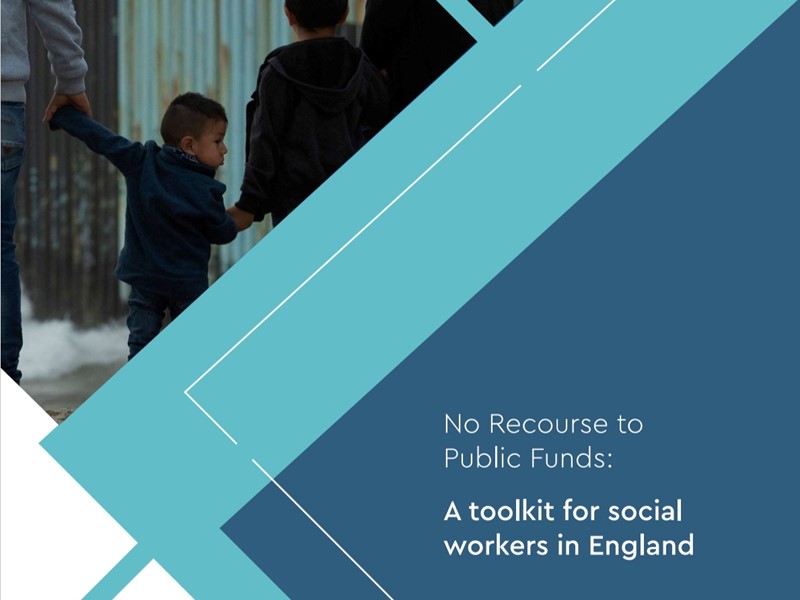
No Recourse to Public Funds: A toolkit for social workers in England
The toolkit uses a human rights approach to explain the no recourse to public funds (NRPF) rule and its implications for child welfare and social work practice.
The toolkit includes sections explaining what the NRPF rule is, eligibility for services, local authority support, and NRPF-specific practice, and includes questions for reflection and links to case law and research evidence throughout.
NRPF Network
NRPF Network information and resources to share learning and help practitioners implement best practice.
The Unity Project: resources on the Change of Conditions application
The Unity Project support migrants who have NRPF.
See their resources on their website about the ‘Change of Conditions’ (CoC) application, including eligibility, guidance and FAQs.
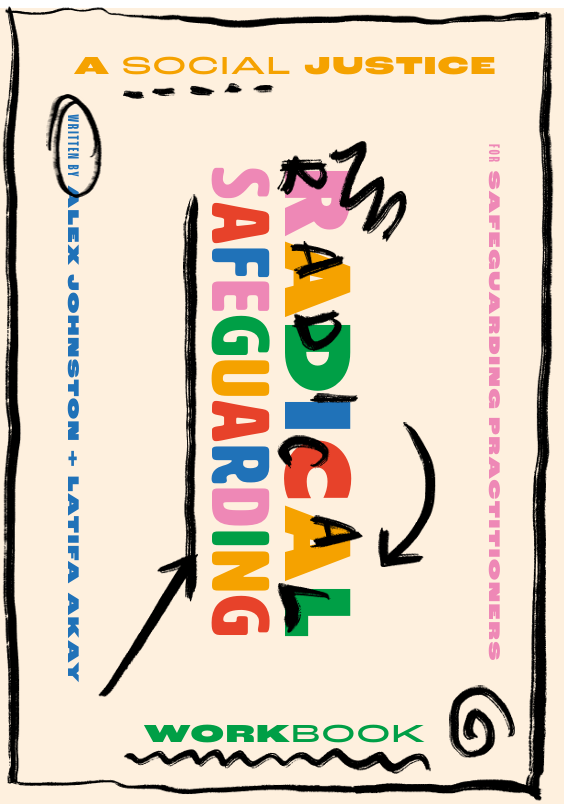
Radical Safeguarding - A Social Justice Workbook for Safeguarding Practitioners
This resource is designed for practitioners working with children and young people, particularly in school contexts, who might be wondering how to start doing things different when it comes to safeguarding. While this has been written with a focus on safeguarding practice in education, the authors invite practitioners and groups with safeguarding responsibilities in any sector to adapt and apply what is useful in the contexts that you are working in. You can read more about the workbook on Maslaha’s website here.
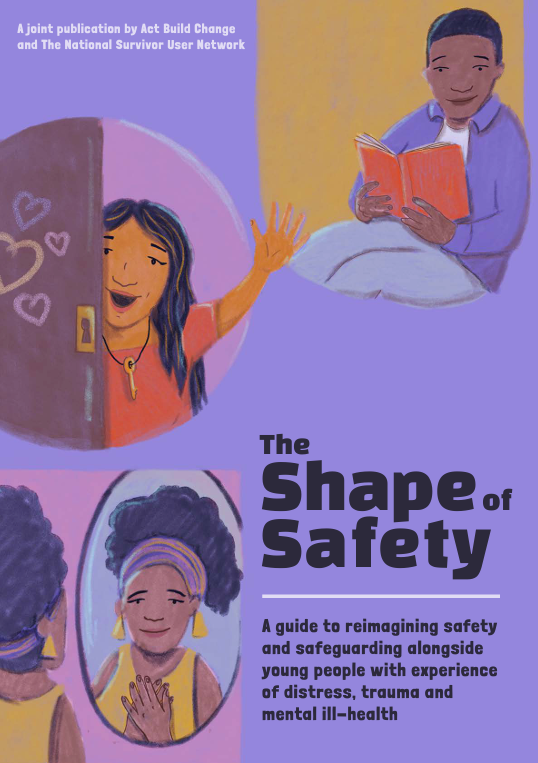
The Shape of Safety – a resource on reimagining safeguarding
This guide includes tools and principles, reflective questions, and a practitioner’s checklist designed to support those working alongside young people who want to move their safeguarding practice and organisational cultures to become more collaborative, trauma-informed and anti-oppressive. Read more about the guide here.